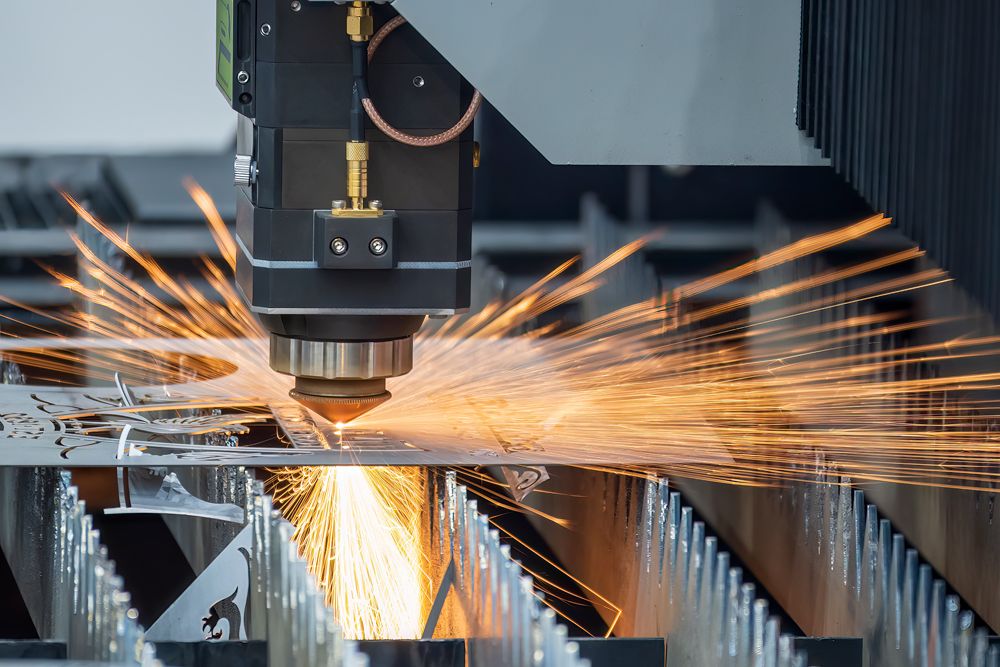
01 / LASER CUTTINGLaser cutting
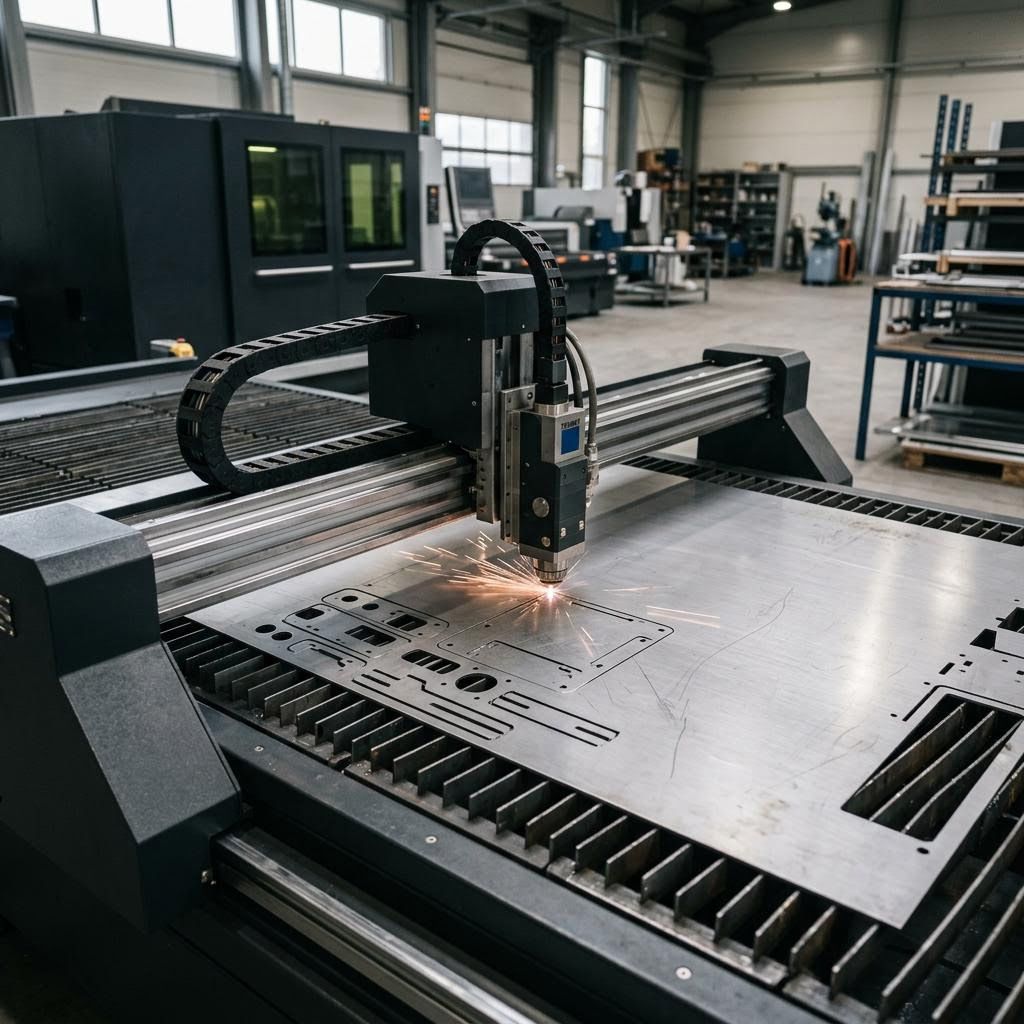
Laser-cut profiles and etched thin-metal features for prototype builds and production programs. Review geometry, material grade and edge requirements, alongside any forming or secondary machining the part needs.
From cut profiles and formed parts to welded assemblies, Snapfab works with your engineering team to coordinate materials, hardware and finishing from prototype through production.
SHEET METAL / LASER CUTTINGA sheet metal component rarely works alone. Bend geometry affects clearance. Hardware needs room for installation. Welding affects alignment. Finishing can change how threads and mating surfaces assemble.
We dig into those requirements with your team before settling on the manufacturing approach. The starting point is the application, not a preset process.
Bring a part to review ↗
We coordinate the operations the part needs, including forming, joining, installed hardware, finishing, and integration with other manufactured components. The route is reviewed against the material, geometry, quantity, and functional requirements.
01 / LASER CUTTINGLaser-cut profiles and etched thin-metal features for prototype builds and production programs. Review geometry, material grade and edge requirements, alongside any forming or secondary machining the part needs.
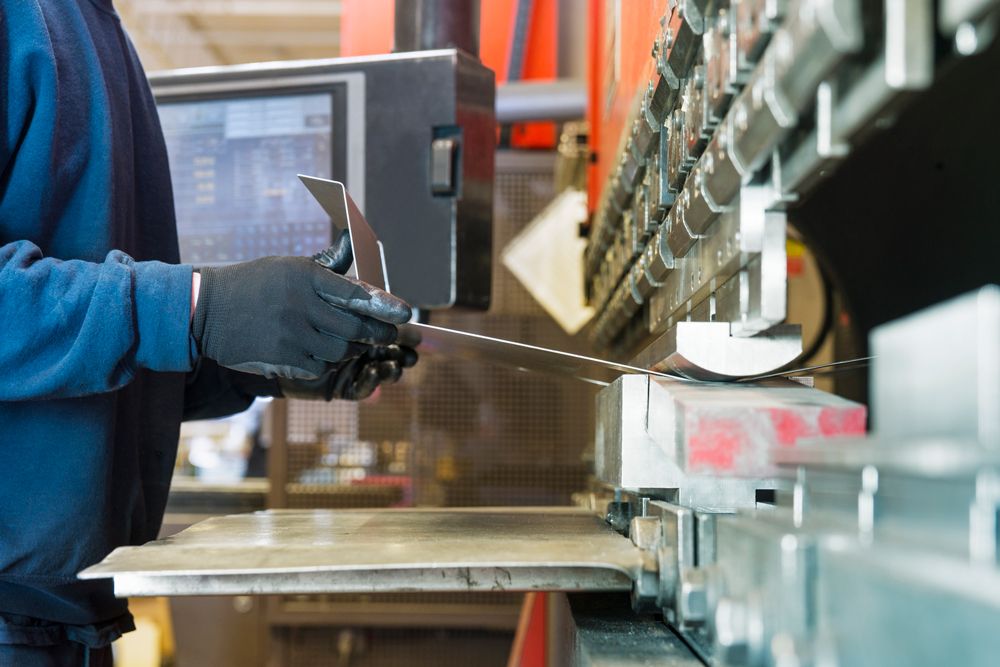
02 / BENDING + FORMINGFormed brackets, channels and panels for prototype iterations and production builds. Geometry starts with the material and thickness; dedicated bending tools may be appropriate.
Bring joining, hardware, cleanup and finish into the same manufacturing conversation.
Bring formed parts, tubes, and other metal components together. We work through joint locations, weld access, alignment, and the condition the assembly needs after joining.
REVIEWJoint details, assembly references, mating parts, weld cleanup, and inspection requirements.Rivet nuts, pressed-in hardware, weld nuts, and specified fasteners can be reviewed for part and hardware compatibility. Installation planning accounts for access, thickness, finish, and assembly.
REVIEWHardware specification, orientation, flushness, clearance, finish order, and approved alternatives.Deburring, sharp-edge removal, tumbling, and weld grinding or smoothing are selected around the geometry and application.
REVIEWHandling surfaces, wire or polymer contact, visible edges, and dimensionally controlled surfaces.Anodizing, powder coating, bead blasting, and galvanizing options can be evaluated against the base material and part requirements.
REVIEWCosmetic versus functional surfaces, color, thread masking, mating fits, and finish variation.Machining can be considered for specific features that need a different approach from cutting and forming alone.
REVIEWWhich features need machining and which can remain as fabricated.Sheet metal inserts and spring components can be coordinated with molded parts and their interfaces.
REVIEWInsert retention, location, movement, contact surfaces, materials, and validation needs.
Capability note Availability and suitability depend on material, geometry, and scope. We confirm the process, specifications, and any required tooling as part of the quote.
Tell us the required alloy, temper, thickness, and applicable specification. If the exact material creates a sourcing or manufacturing constraint, we can review alternatives with you before making a change.
| Material family | Materials to discuss | Engineering considerations |
|---|---|---|
| Aluminum | 5052, 6061, and other specified grades | Formability, temper, bend geometry, hardware installation, and anodized appearance. |
| Carbon steel | Cold-rolled and hot-rolled grades | Thickness, stiffness, joining, finish requirements, and corrosion protection. |
| Stainless steel | 201, 304, 316, and application-specific grades such as 301 | Grade and temper, forming behavior, edge preparation, and service environment. |
| Nickel | Nickel 200/201 and specified thin-sheet requirements | Exact grade, thickness, material availability, and suitability for the application. |
| Spring materials | Specified spring steels and stainless grades | Temper, functional movement, forming requirements, and assembly conditions. |
ENGINEERING NOTE These are materials for engineering review, not a guarantee that every grade, temper, or thickness is suitable or available for every process. Specify the required material. Grades and tempers are not automatically interchangeable.
The order of operations matters. Anodizing after hardware installation can introduce compatibility issues. Powder coating can affect threads and mating features. Sharp metal edges can interfere with assembly or damage adjacent materials. We review the sequence so the quote accounts for agreed fabrication, preparation, finish, and installation steps.
For an early build, the goal may be to check fit, test an assembly, or compare material thicknesses. For repeat batches, the priorities may be consistent specifications, finish, and assembly. As demand changes, tooling economics and manufacturing routes may change too.
We work through those decisions with your team rather than assume the first process fits every stage.
| Build stage | Typical question | What we help define |
|---|---|---|
| 01Fit + concept work | Does the geometry work with the surrounding parts? | Small test pieces, mating interfaces, thickness options, and the question the build needs to answer. |
| 02Functional prototypes | Does the formed or assembled part work as intended? | Material, forming and joining approach, hardware, finish, and agreed checks. |
| 03Repeat builds | What needs to stay consistent from order to order? | Released revision, material specification, critical features, finish, and assembly requirements. |
| 04Production planning | Would volume justify a different process or tool? | Fabrication route, tooling implications, design changes, quantities, and manufacturing tradeoffs. |
KEEP IN VIEW Qualification and testing requirements should be defined for the application. A prototype route is not automatically production-equivalent.

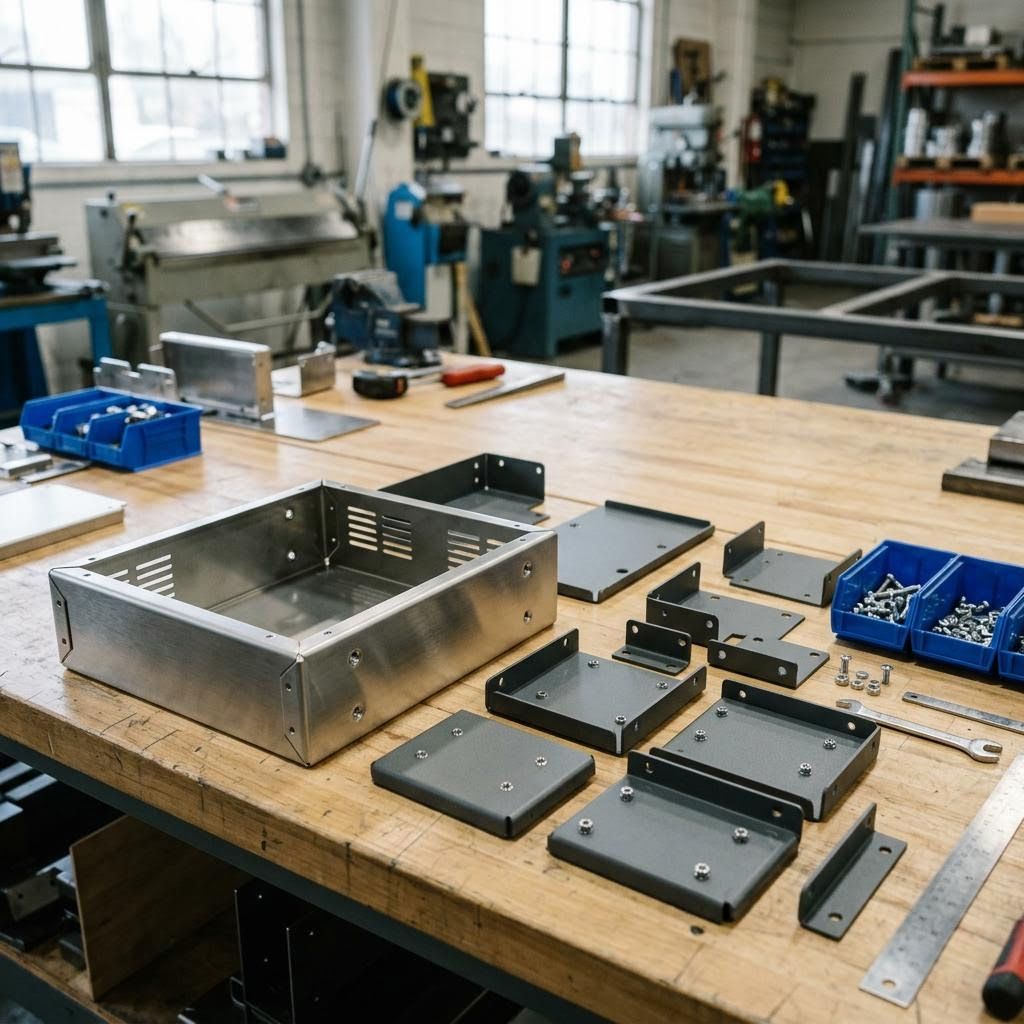
Brackets, enclosures, frames and inserts are considered in context, with mating parts, assembly interfaces and the build stage in view.
Forming, fastening, and the interfaces to the components being supported.
Openings, mounting features, finish, and geometry where parts meet.
Joined components, tube integration, and alignment across an assembly.
Process selection, edge condition, handling, and packaging considerations.
Metal components considered alongside molded parts and the surrounding build.
Targeted parts to answer a material, thickness, bend, or interface question.
Four practical steps keep the part, manufacturing approach, and next build aligned.
Send CAD, available drawings, quantities, and target dates. Tell us what the part needs to fit, support, fasten, or do.
We discuss material, critical features, forming, joining, hardware, and finish. Where requirements trade off, we work through the options with your team.
Confirm the revision, specifications, included operations, tooling, inspection, and delivery requirements before proceeding.
Review parts against the application. Then work through revisions, repeat orders, or a different route as the design develops.
Still sorting out the manufacturing route? Start with your part and requirements ↗
Yes. Share the current design and the question the next build needs to answer. We can review the manufacturing approach and identify requirements to define before quoting or fabrication.
We can review assemblies with formed parts, tubes, and installed hardware. Provide an assembly drawing or model with joint locations, alignment needs, and any inspection requirements.
We can review the requested hardware and finish for compatibility. Specify the parts, masking, installation access, cosmetic expectations, and operation sequence so they can be included in scope.
Yes. We can review a combination of processes when the application calls for it, including secondary machining and metal components used with molded parts. The quote should define the included operations and assembly scope.
Not always. Depending on geometry and requirements, a formed or welded route may work for an early build. We can discuss that alongside tooling-based options. A prototype route is not automatically production-equivalent.
Include current CAD and drawings, material and thickness, quantities, finish, hardware, assembly details, critical dimensions, and target dates. Note approved alternatives and any inspection or documentation needs.
Whether you need a bracket, a welded assembly, or a metal component that works with molded parts, bring us the design and constraints. We’ll help define a practical manufacturing approach around what the part needs to do.
CAD, drawings, material, quantity, finish, and target dates help us scope your quote.