SnapFab
HomeAbout usOur Process
Upload Files for Quote
Sign In
Subtractive

CNC Machining Service. Cut parts, hit dates.

Get precision milled and turned parts through one responsive CNC machining service. We cut engineering grade plastics and metals directly from your CAD using 3-axis and 5-axis mills plus live-tooling lathes. From one-off prototypes to repeat production, every project is reviewed for material, geometry, tolerances, and finishing requirements before machining begins. Get clear pricing, practical engineering feedback, and parts made to print.

Get an instant quote → Talk to engineering
CNC machining
Jump toOverviewCapabilitiesMaterialsFinishesDesign GuidesApplicationsProductionFAQs

Plastic CNC & Metal CNC

01 / Overview
Plastic CNC machining

Plastic Machining

Polymers

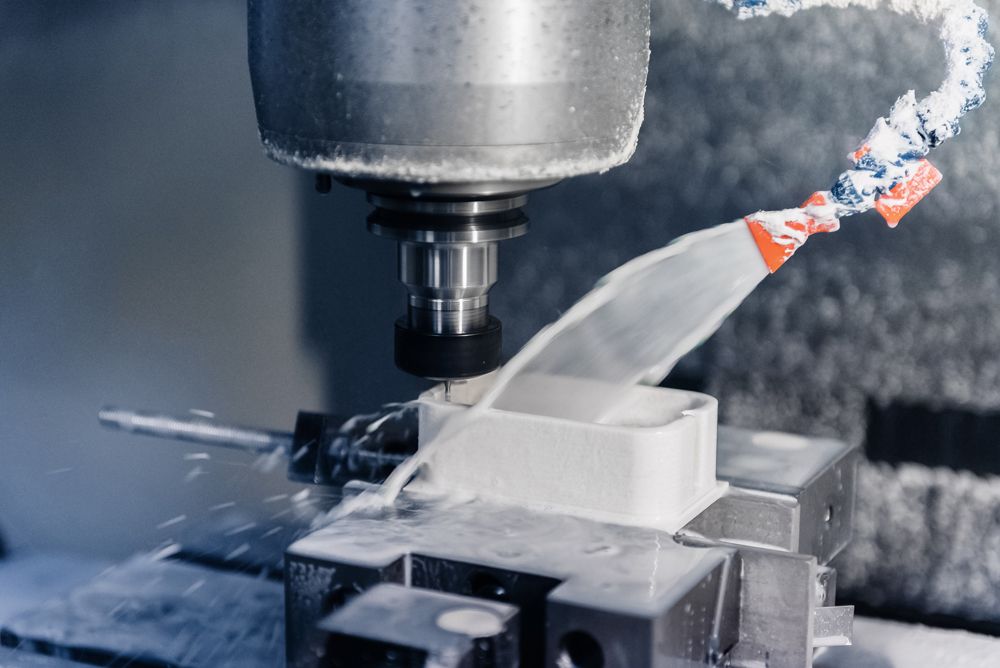
Plastic CNC is a strong option when parts need tight tolerances that molding cannot hit, or when volume is too low to justify tooling. It supports fast design changes without the cost or delay of a mold. We use appropriate coolants, sharp cutting tools, and controlled machining strategies to maintain surface finish and dimensional stability in Delrin, PEEK, nylon, polycarbonate, and other engineering plastics.

Machined plastics offer low friction, electrical insulation, chemical resistance, and reduced weight. Because heat and cutting forces affect them, we review walls, support, moisture sensitivity, and tolerances before production.
Metal CNC machining

Metal Machining

Alloys

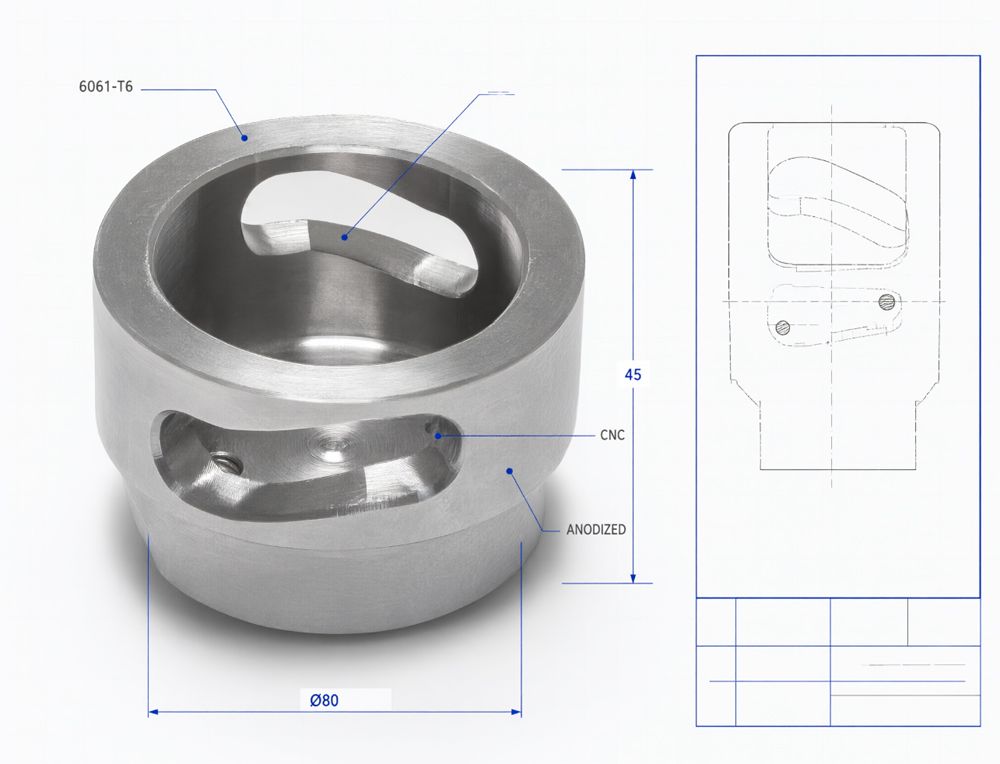
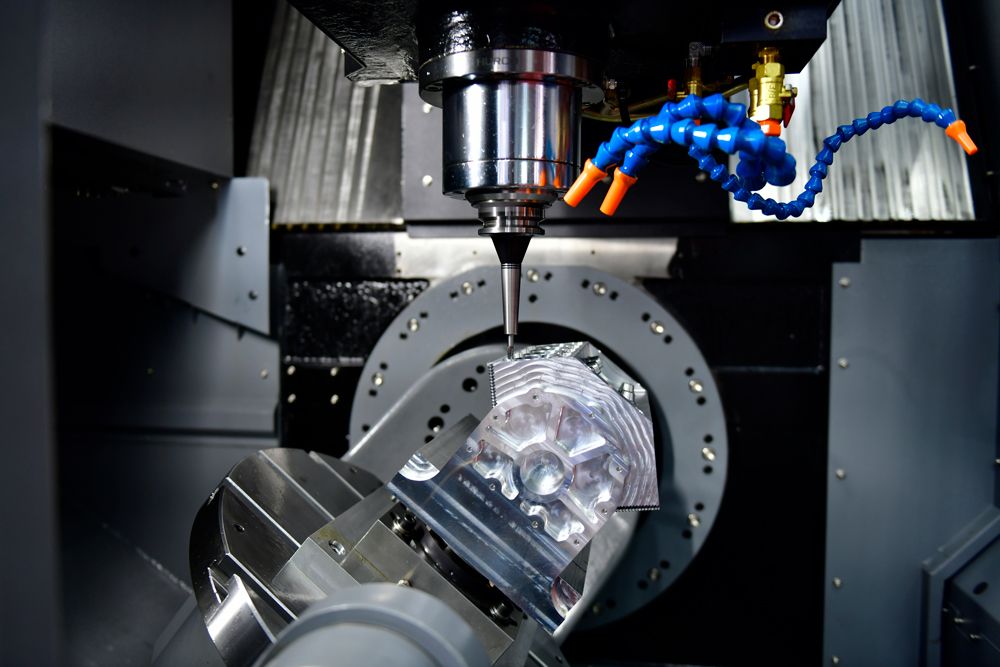
Metal CNC supports everything from rapid aluminum prototypes to repeat production runs in stainless steel, brass, and titanium. Rigid setups and capable machine tools help maintain precision across both non-ferrous and hard ferrous alloys. We review geometry for manufacturability, identify difficult tool access, and confirm critical dimensions before the first chip flies.

Aluminum is often the fastest and most economical choice for structural prototypes, housings, fixtures, and production components. Stainless steel adds strength and corrosion resistance, while titanium delivers a high strength-to-weight ratio for demanding applications. Your quote reflects the actual material, setup, machining time, inspection, and finish required.

Capabilities

02 / Capabilities
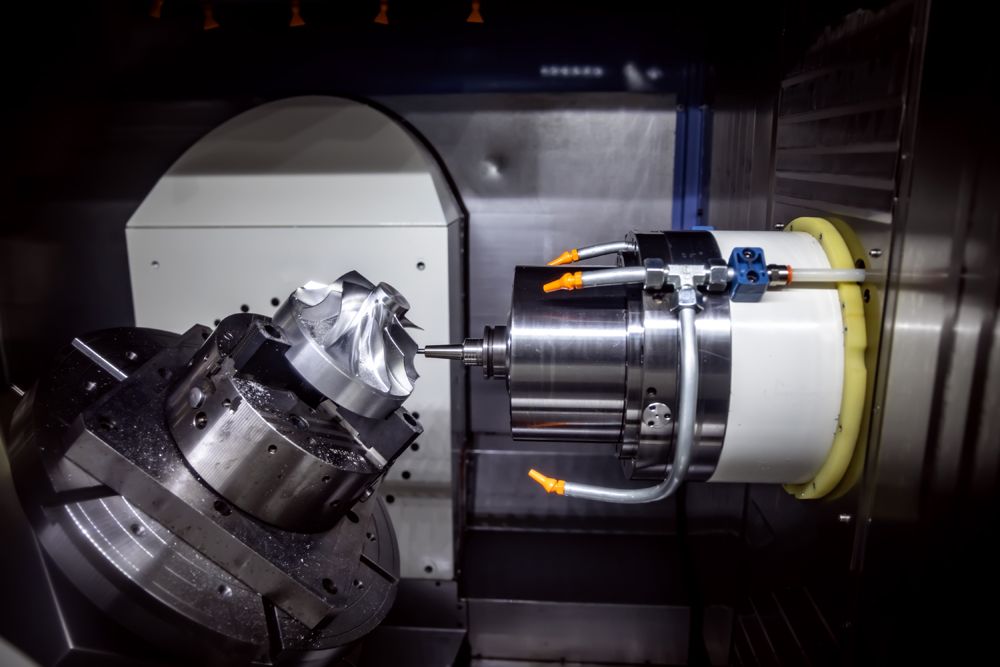
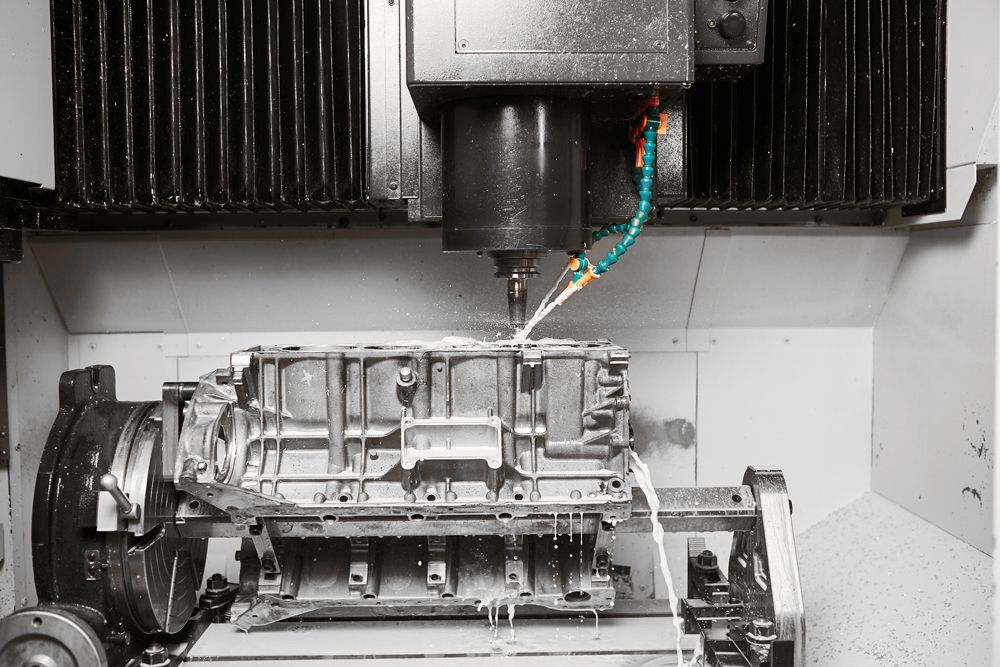
3-axis CNC milling

3-Axis Milling

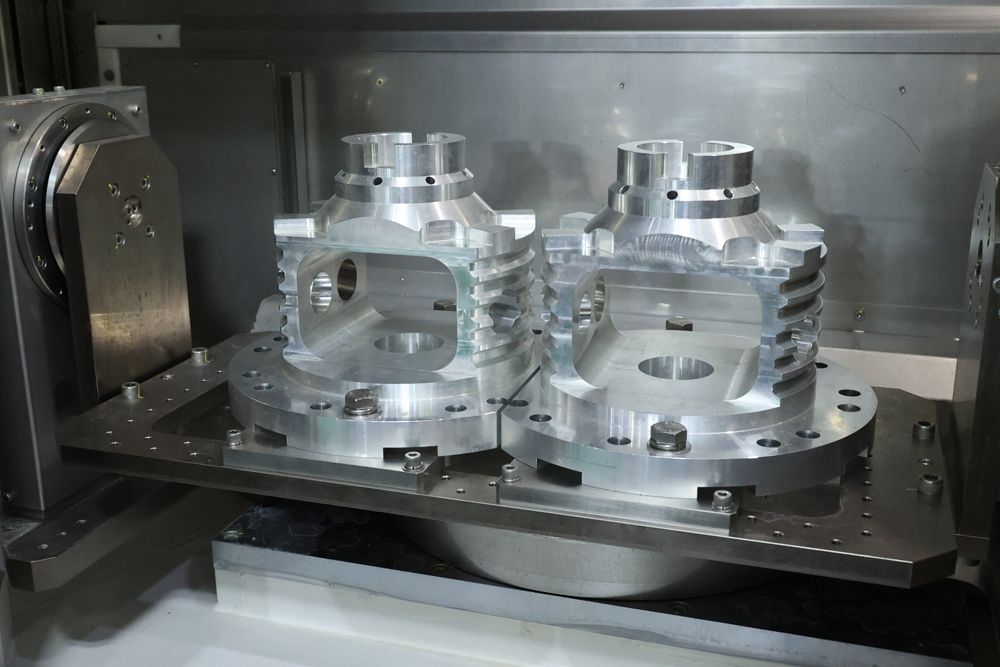
3-axis milling handles planar faces, pockets, and holes accessible from a few orientations. It is often the economical choice for brackets, plates, housings, and fixtures.

5-axis CNC milling

5-Axis Milling

Indexing reaches multiple faces in fewer setups; continuous 5-axis cuts complex contours. Fewer transfers improve positional consistency.

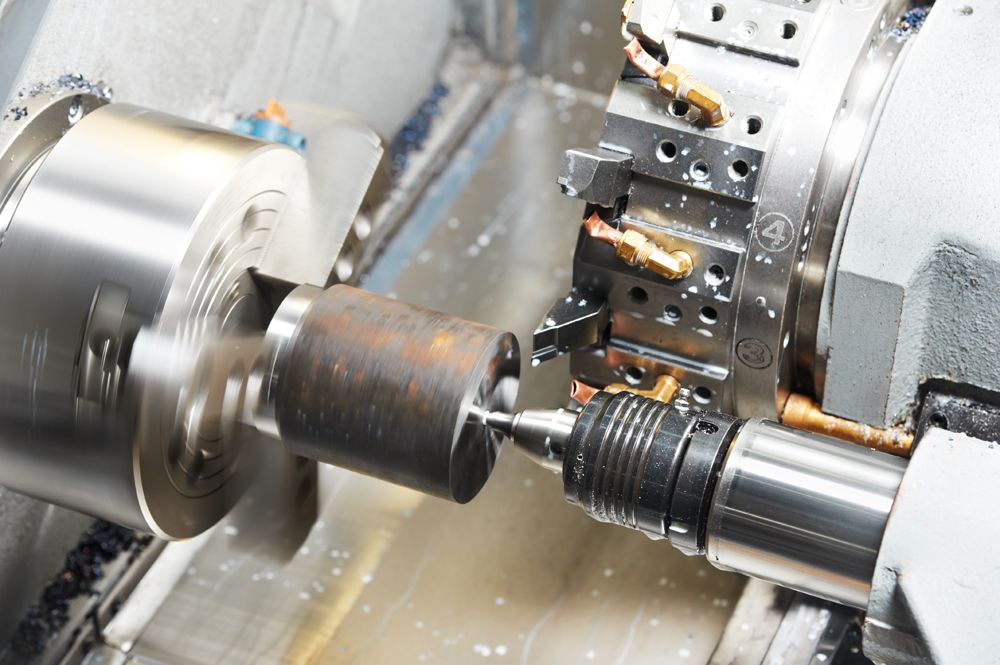
CNC turning

CNC Turning

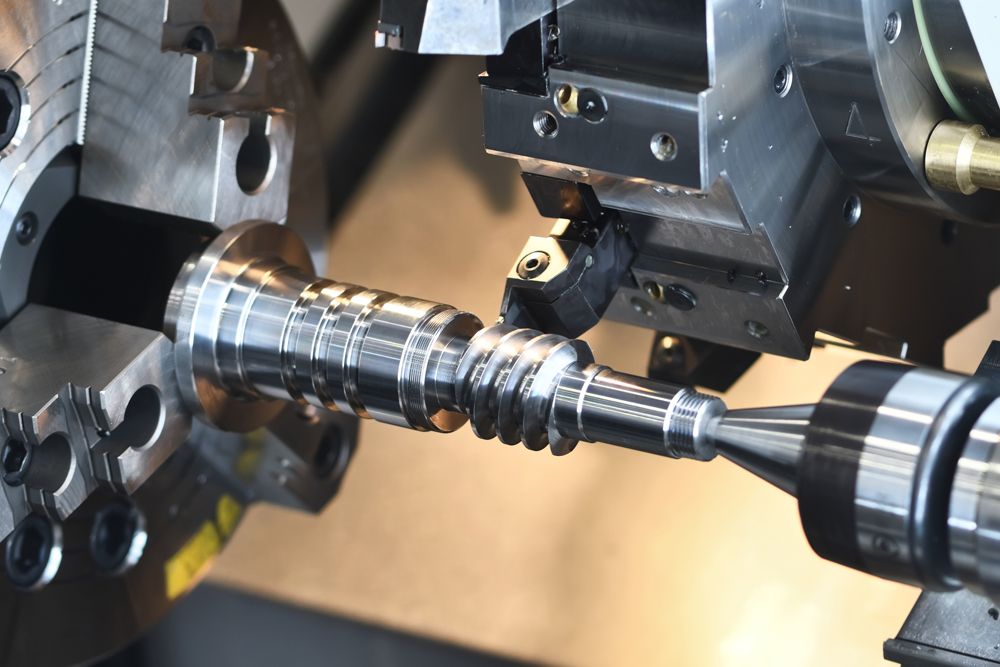
High-speed lathes turn shafts, spacers, bushings, pins, and custom hardware efficiently. Live tooling cuts off-axis holes, flats, and keyways without a separate mill.

Milling handles pockets and complex surfaces; turning handles round parts. Live tooling combines both.

Workholding, tool reach, datums, and inspection affect cost and repeatability. Send a STEP or X_T model and drawing to quote critical features.

CNC machining capabilities
Precision

Tolerances

  • Tolerance: Standard linear tolerances are available down to +/- 0.005 inches (0.127 mm). Tighter tolerances may be available after engineering review.
  • Maximum part size: Confirmed during DFM review based on the selected machine envelope, material, geometry, required features, and inspection plan.
  • Minimum part size: No fixed minimum. Feasibility depends on secure workholding, tool access, feature size, material behavior, and inspection requirements.

Materials

03 / Materials

These materials cover many applications. Send specs for other grades.

Material affects strength, weight, wear, corrosion, heat resistance, stability, finish, and cost. Share loads, environment, and compliance needs when comparing plastic and metal.

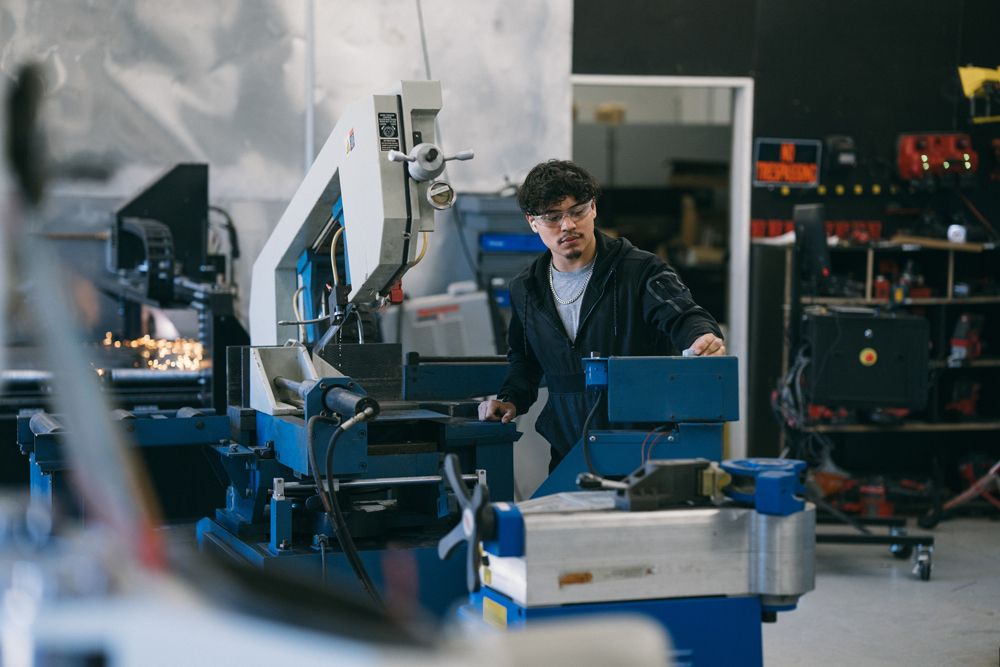
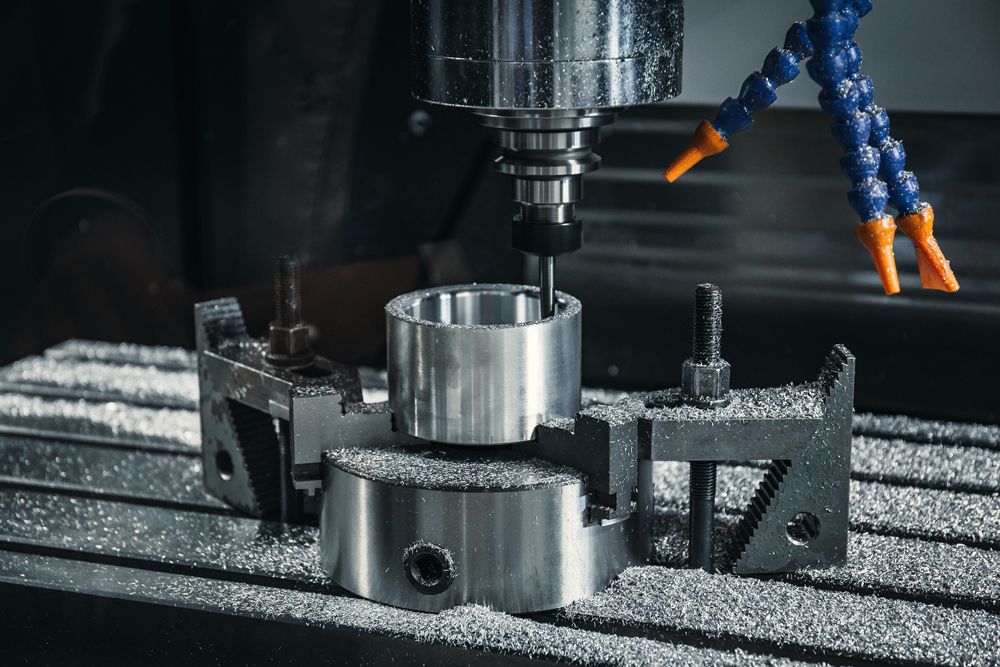
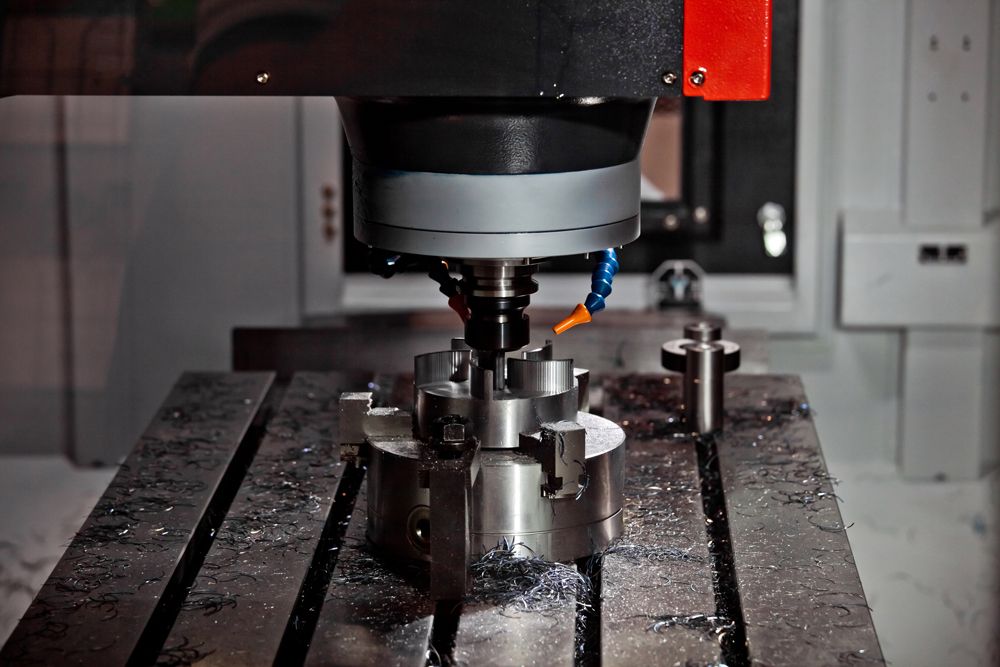
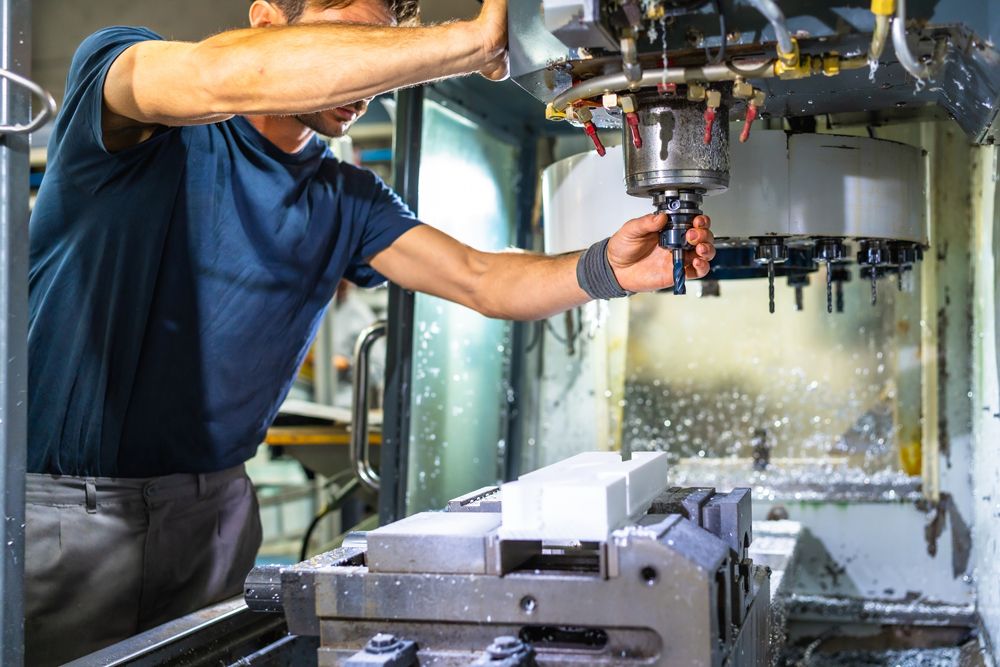
Machinist operating equipment in a workshop
Plastics04
01

Delrin (POM)

Excellent machinability, high stiffness, and low friction. The default choice for mechanical plastic parts and wear surfaces.

02

Nylon

Strong and tough, great for gears and bushings. Absorbs moisture over time, so avoid wet environments for tight tolerance features.

03

PEEK

Lightweight, high strength, and highly heat resistant. Expensive, but required for demanding aerospace and medical applications.

04

Polycarbonate

High impact resistance. Can be machined and vapor polished for optical clarity. Frequently used for rugged fluid enclosures.

Metals04
05

Aluminum 6061 & 7075

6061 is the default general purpose budget friendly metal. 7075 brings high strength to weight ratios when stiffness is critical.

06

Stainless Steel 304 & 316

304 balances strength and corrosion resistance. 316 adds molybdenum for marine and harsh chemical environments.

07

Titanium (Grade 2 & 5)

Ultra strong, exceptionally light, and biocompatible. Difficult to cut, but essential for flight hardware and robotics.

08

Brass

Soft, conductive, and easy to machine. Used heavily in electrical contacts, low friction fittings, and cosmetic hardware.

Above is just a small selection of materials we have access to. Contact us if you don't see a material you want listed here.

Surface Finishes

04 / Finishes
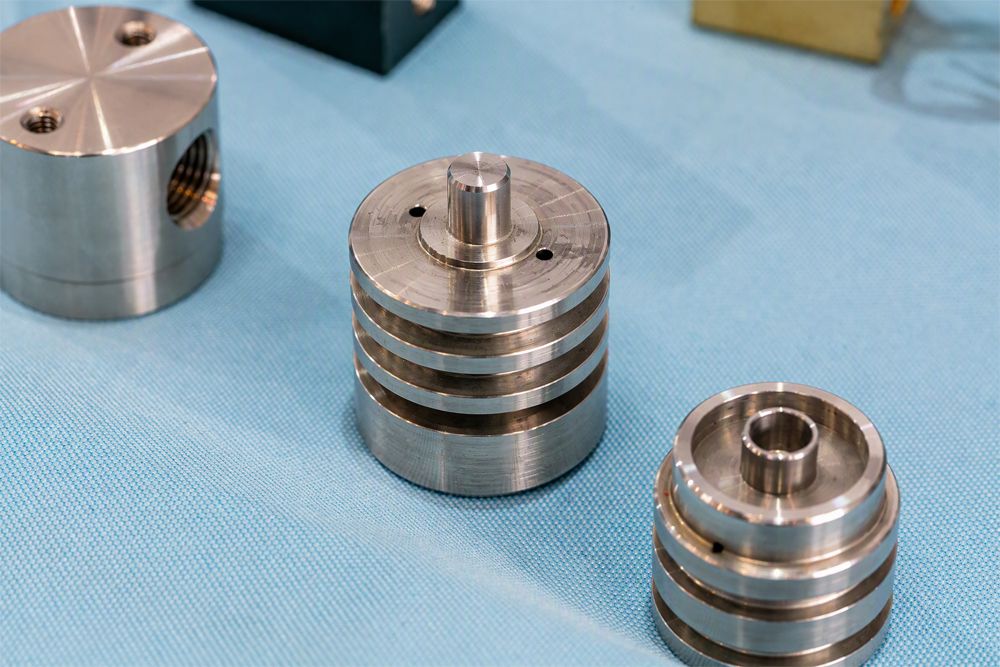
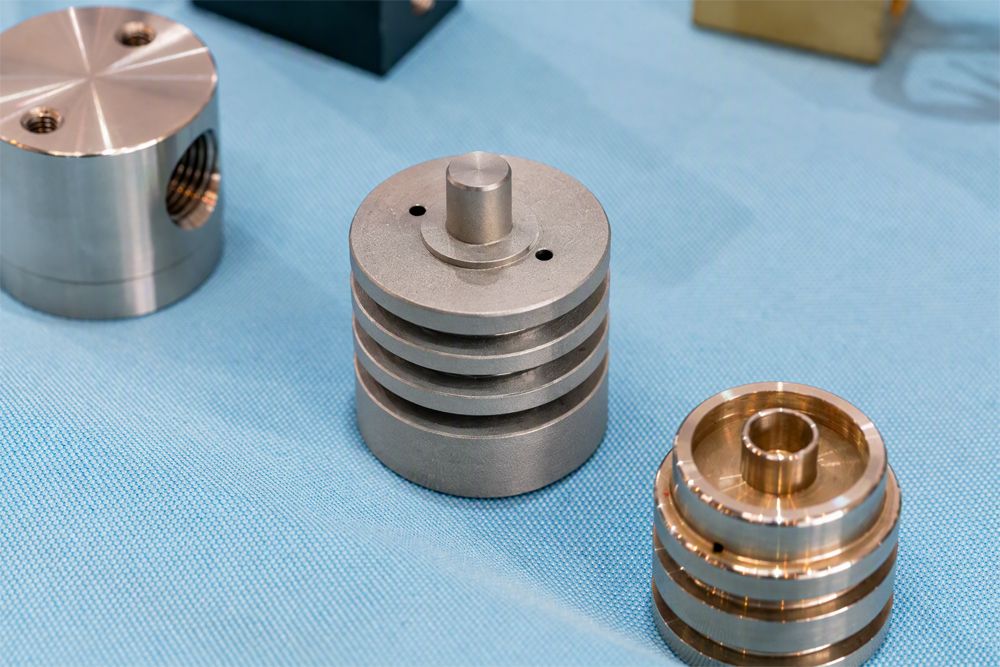
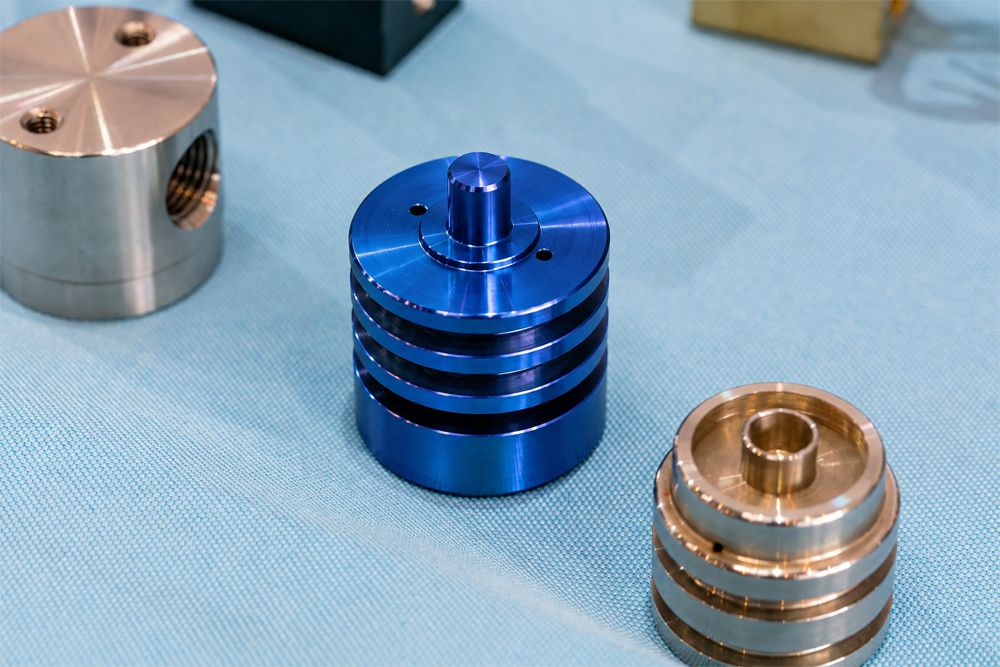
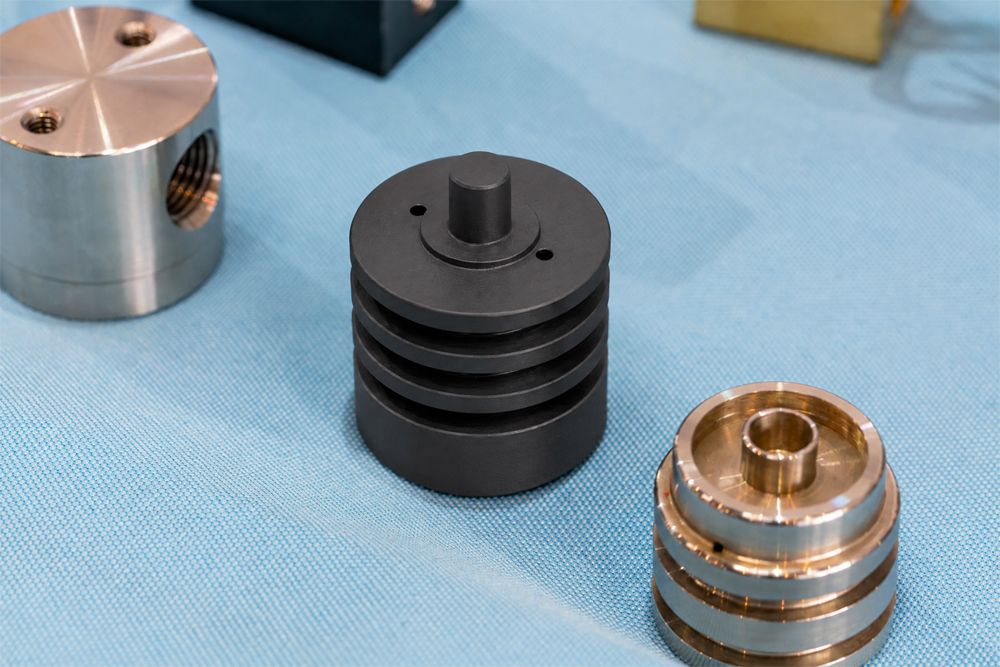
As-machined CNC finishBead-blasted CNC finishAnodized CNC finishPowder-coated CNC finish

As Machined

Visible tool marks remain. The most cost effective option. Edges are broken to remove burrs.

Bead Blast

A matte, uniform texture applied via media blasting. Removes light tool marks and reduces glare.

Anodize (Type II & III)

Type II adds color and light corrosion resistance for aluminum. Type III (Hardcoat) provides significant wear resistance and surface hardness.

Powder Coating

A durable, uniform coating in a range of colors and textures. Specify masking for threads and tight-fit surfaces.

Choose a finish for use and appearance. Mark visible surfaces, color, masking, and areas that must remain uncoated on the drawing.

Above is just a small selection of surface finishes. Please contact us if you'd like to see a full list.

Design Guides

05 / Guidelines

Designing for the machine reduces cycle time, programming, and tool wear. We check these constraints on every file.

Adjust corner radii, pocket depth, walls, holes, and tolerances to reduce setups. We flag cost drivers during review.

Reserve tight tolerances for critical fits. Mark datums, threads, fits, finishes, and critical dimensions on a 2D drawing.

CNC machining design guide
  1. 01

    Pocket depth

    Deep pockets drive tool deflection. Keep depth under 3× the tool diameter.

  2. 02

    Internal corners

    End mills leave a radius. Make inside corner radii slightly larger than the cutter.

  3. 03

    Thin walls

    Minimum thickness: 0.030" in metals, 0.060" in plastics.

  4. 04

    Tool access

    Avoid undercuts that a standard tool cannot reach from a primary setup axis.

Applications for CNC

06 / Industries
CNC aerospace and defense parts

Aerospace & Defense

Flight-ready aluminum and titanium brackets and structures.

CNC medical device parts

Medical Devices

Surgical tools and diagnostic housings in stainless steel and PEEK.

CNC robotics and automation parts

Robotics & Automation

Close-tolerance linkages, end effectors, and actuator mounts.

CNC industrial enclosure parts

Industrial Enclosures

Milled housings and heat sinks for electronics and power systems.

CNC serves fixtures and bridge production. Plastic is light and insulating; metal handles loads, heat, and wear.

Domestic & Overseas Production

07 / Production

Choose by timing, volume, cost, material, and inspection needs. We review your CAD and drawing before recommending a route.

Domestic CNC Production

Suited to quick-turn prototypes, urgent changes, and programs that need a shorter supply chain. Domestic prototyping can start at one week; confirm timing on your quote.

Overseas CNC Production

Consider for repeat runs when schedule allows more time for sourcing, production, and shipping. Review landed cost, finish, inspection, and delivery dates before committing.

FAQs

08 / FAQs
What are your standard CNC machining lead times? +

Standard lead times start at one week for domestic prototyping. Production runs or international sourcing typically add two to three weeks, depending on volume and selected finishing operations. We commit to a firm schedule on every quote.

What information is needed for an accurate CNC machining quote? +

Send a STEP or X_T solid model, requested quantity, material, finish, and target timing. Include a PDF drawing when the part has threads, inserts, critical tolerances, inspection requirements, or surface specifications. If material or finish is still being evaluated, describe the application and our team can identify practical options for comparison.

How do Plastic CNC and Metal CNC costs compare? +

Cost depends on stock price, machining time, tool wear, setups, tolerance, inspection, and finish. Plastic is not always cheaper than metal because premium polymers such as PEEK can be expensive and require careful machining. Aluminum often provides a cost-effective metal option because it machines efficiently. The most useful comparison is based on the exact model, quantity, and performance requirements.

Can one CNC machining service support prototypes and production? +

Yes. Prototypes validate geometry, fit, material, and performance before production. Stable CAD files, controlled revisions, inspection criteria, and predictable ordering support repeatability as quantities increase.

What file formats do you accept for quoting? +

We require a 3D solid model (STEP or X_T preferred) to generate cycle times and exact pricing. Include a PDF drawing to communicate threads, tight tolerances, and surface finish requirements.

Do you provide first article inspection (FAI) reports? +

Yes. Full dimensional inspection reports and material certifications are available. Please specify documentation requirements at the time of quoting so we can build the quality workflow into the program.

Can you machine custom threads or inserts? +

We routinely tap standard and metric threads, mill custom thread profiles, and install Helicoils or heat set inserts. Call out thread details clearly on your 2D print.

Got a CAD file? Get a CNC quote.

Upload a STEP or X_T file with quantity, material, finish, and drawing requirements. Snapfab will review your Plastic CNC or Metal CNC project and provide clear per-part pricing.

Get an instant quote → Talk to engineering
Get an instant quote →
SnapFab Logo


LOCATION:
San Francisco
California


CERTIFICATION:

ISO 9001


CONTACT:
support@snapfab.com

(415) 320-1403


ABOUT US

OUR PROCESS

RESOURCES

MATERIALS

TEXTURES

FAQS


© 2025 Snapfab. All rights reserved. Accessibility Privacy Policy