Choose the process that fits the part.
When geometry, material, or application points beyond injection molding, process selection starts with the part's real requirements. Snapfab helps hardware teams compare six manufacturing routes and review the trade-offs before committing to tooling.
Get a quote
Compression molding
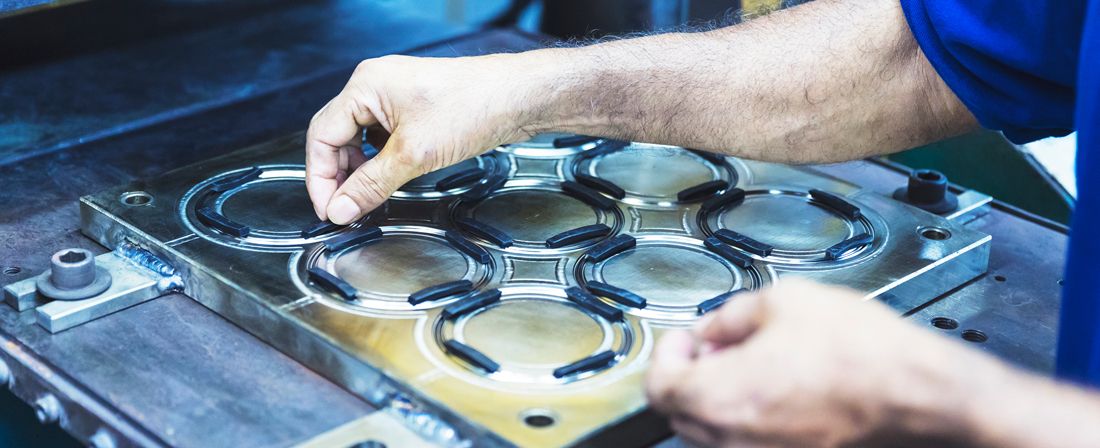
Compression molding at Snapfab is a fast, scalable, and cost conscious method for producing rubber and silicone components with medium complexity. From sealing elements in consumer products to rugged boots, pads, and wearables, this process consistently delivers durability, flexibility, and dependable performance. Often referred to as vulcanization, compression molding uses heat and pressure to cure thermoset materials into their final form. The result is stable, repeatable parts ready for heavy use.
What sets Snapfab apart is our focus on practical manufacturability. Compression molding requires simpler tooling and shorter build times compared to injection molding, which allows you to reach production volumes sooner with a lower initial cost. Many clients choose multicavity tooling to maximize output and reduce part cost per cycle, especially for high volume programs.
How the process works
- Place a measured uncured charge in the heated mold.
- Close the tool so pressure moves material into the cavity.
- Hold through the cure; time depends on compound and section thickness.
- Open and demold, then trim flash and inspect the parting line.
Engineering specs
- Dimensional Accuracy: Ideal for medium complexity parts and components designed to conform or compress during use
- Simple Geometry: Avoid undercuts and recognize that thicker sections may require longer cure times
- Uniform Thickness: Consistent wall thickness improves quality and part longevity across production runs
Review cure time, flash, and release with the selected compound.
Compression molding FAQs
What are the advantages?
Strong cost efficiency at higher volumes
Quick tooling timelines compared to injection molding
Excellent for rubber or silicone components that must be soft yet durable
Any limitations?
Undercuts cannot be molded
Additional labor may be needed for trimming and handling
What part features should I expect?
Soft, flexible components ideal for sealing and cushioning
Smooth geometries suited for thermosets
How long does tooling take?
Approximately two weeks, allowing rapid transition from design to production.
How do I choose the right material?
Share hardness, temperature, and chemical exposure requirements so Snapfab can help select a rubber or silicone compound.
Why choose compression molding instead of injection molding or urethane casting?
Lower tooling cost and faster setup
Ideal for higher production volumes where rubber or silicone performance is required
More economical than urethane casting once volumes increase
Ready to Get Started?
At Snapfab, we focus on practical, flexible, and cost effective compression molding solutions that move your project from prototype to mass production with confidence. Whether you need seals, pads, or wearables, our engineers help optimize manufacturability, geometry, and material selection so your product performs exactly as intended. Reach out and explore how compression molding can advance your next build with Snapfab.
Blow molding
Blow molding at Snapfab is the go to process for creating hollow plastic components in high volumes. From bottles and jars to complex ducts or lightweight enclosures, blow molding delivers shapes that are impossible to achieve with standard injection molding. The process forms molten plastic inside a mold using internal air pressure, producing lightweight, cost efficient shapes ready for production scale programs.
Blow molding forms hollow thermoplastic shells. Extrusion uses a parison; injection blow molding uses a preform. Method affects neck details, walls, and parting features.
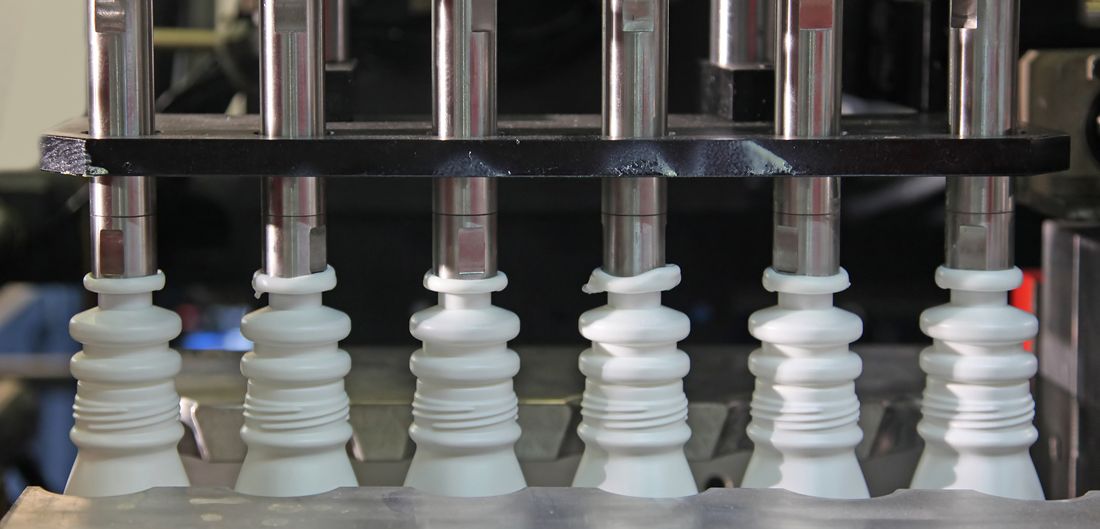
Two Core Types of Blow Molding
1. Extrusion Blow Molding
- A molten plastic tube is extruded between two mold halves
- Known for faster production and simpler details
- Commonly used for everyday items such as milk jugs
2. Injection Blow Molding
- Starts with a precisely formed injection molded preform
- Creates sharper threads, cleaner neck finishes, and higher cosmetic quality
- Ideal for premium packaging such as cosmetics or personal care bottles
How the process works
- Prepare a hot parison or preform in the selected process.
- Close the mold around it and introduce air pressure.
- The material expands against the cavity, then cools in the tool.
- Eject the hollow part and trim excess material where required.
Engineering specs
- Surface Finish: High polish available with injection blow molding, while extrusion blow molding creates slightly rougher surfaces
- Hollow Shapes: Ideal for bottles, ducts, and enclosures
- Wall Variation: Wall thickness may vary depending on how the plastic stretches within the mold
Wall targets and leak criteria depend on geometry and grade.
Blow molding FAQs
What Are the Benefits?
Highly economical for large quantity runs
Enables true hollow designs
Produces lightweight components ideal for shipping or handheld devices
Any downsides?
Undercuts are not possible
Wall thickness variation can occur
Extrusion blow molded parts may require trimming for cleaner edges
What Features Can I Expect?
Clean hollow profiles
Narrow necks and functional openings
High cosmetic quality with injection blow molding
How Long Does Tooling Take?
Typically 2 to 4 weeks depending on the method and part complexity.
Why blow molding instead of injection molding?
Injection molding cannot create complete hollow shapes without costly secondary operations, while blow molding produces them naturally and efficiently.
Which materials can I use?
Options include HDPE, LDPE, PET, and PP. Snapfab can help match the grade to your part and process.
Ready to Move Forward?
If you have a bottle, container, duct, or other hollow geometry in mind, Snapfab can help bring it from concept to production. Our team will guide you through material decisions, geometry optimization, and tooling strategies to ensure efficient, high volume results.
Die casting
Die casting at Snapfab is the preferred solution for producing metal components at scale with repeatable precision and strong mechanical performance. It supports both simple and highly complex geometries and is widely used for products ranging from engine housings and motor components to consumer electronics enclosures and structural hardware. When your program requires strength, dimensional stability, and consistent quality across tens of thousands of units, die casting is one of the most efficient paths forward.
At Snapfab, many customers begin with CNC machined aluminum for prototypes and early production so they can refine fit, finish, and functional behavior before committing to full tooling. Once the design is validated, die casting becomes a cost efficient upgrade, and per part pricing drops significantly as volumes increase.
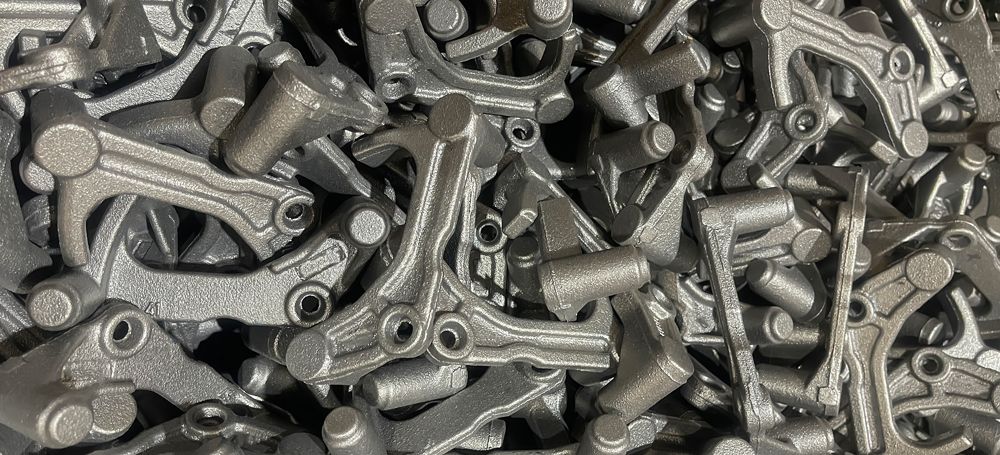
How the process works
- Prepare and melt the selected nonferrous alloy.
- Inject alloy into the closed steel die at controlled pressure.
- Allow the metal to solidify, then open and eject the casting.
- Trim gates and flash; machine or finish specified features if needed.
Engineering specs
- Strength to Weight: Die cast alloys offer excellent durability with significantly reduced weight
- Surface Finish: Typically 1 to 25 micrometers; cosmetic surfaces can be enhanced through machining or finishing processes
- Part Size: Components up to approximately 70 pounds can be supported
- Design Flexibility: Supports complex shapes, ribs, bosses, and varying wall thickness
Flag pressure boundaries, datums, and machined surfaces.
Die casting FAQs
What are the main benefits of die casting?
High strength with relatively low weight
Excellent for medium to high volume production
Consistent part quality cycle after cycle
What part features are achievable?
Complex geometries with intricate details
Parts can be machined, threaded, or surface finished as needed
How Long Does Tooling Take?
Tooling typically requires 4 to 6 weeks depending on part complexity.
Why choose die casting over Metal Injection Molding?
Die casting is ideal for larger or more general purpose components
MIM excels at small, intricate parts
Die casting often requires fewer secondary operations
Which alloys can I use for die casting?
Common options include aluminum, zinc, and magnesium alloys. Snapfab helps assess strength, weight, corrosion resistance, finish, and operating conditions to select an appropriate alloy for your part.
Can I transition from CNC prototypes to die casting?
Yes. CNC prototypes can help validate fit and function before investing in casting tooling. Snapfab reviews draft, wall thickness, ribs, machining allowances, and alloy differences to adapt the design for die casting.
Ready to Scale Metal Production?
Snapfab delivers die cast metal parts with precision, reliability, and a strong focus on mass production efficiency. Whether you need structural housings, engine components, or refined cosmetic parts, our team will help you build a manufacturing plan that aligns with performance and cost targets. Connect with Snapfab to start the process.
Thermoforming
Thermoforming at Snapfab is a flexible, cost efficient solution for creating large or simple plastic components without the need for heavy injection molds. The process heats flat thermoplastic sheets until softened, then uses vacuum pressure to form them over a mold. Thermoforming is ideal for packaging, trays, covers, organizers, and lightweight housings that benefit from speed and affordability.
Snapfab frequently uses thermoforming to build custom trays that keep parts protected and organized during production or shipping. This approach reduces handling costs and improves workflow efficiency for clients across many industries.
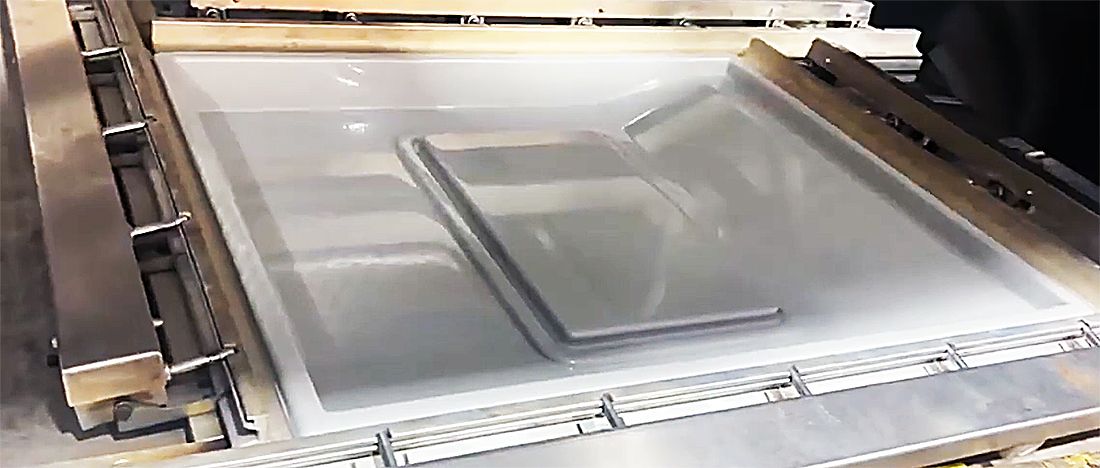
Why Choose Thermoforming?
Affordable and Flexible
Tooling is significantly cheaper than injection molds and can often be 3D printed
Large Parts at Low Cost
Sheet based forming makes it simple to scale to larger dimensions without major cost increases
Lightweight Protection
Ideal for packaging, storage, and organizing systems
Fast Turnaround
Parts can often be produced in just a few days
How the process works
- Clamp and heat a sheet to its forming range.
- Draw the softened sheet against or into the tool with vacuum or pressure.
- Cool the material while it holds the tool shape.
- Remove the formed sheet and trim the perimeter and openings.
Engineering specs
- No Undercuts: Only one sided molds are usable
- Soft Radiused Details: Thermoforming does not preserve sharp corners
- Variable Sheet Thickness: Stretched areas become thinner
- Trimming Requirements: Discuss finish expectations early to align with cost targets
Flag draw depth, trim edges, and cosmetic faces.
Thermoforming FAQs
What are the key benefits?
Low tooling cost
Fast production
Lightweight and efficient for shipping
Nestable designs for easy stacking
What features should I expect?
Soft contoured 3D shapes
No undercuts
Rounded corners and smooth profiles
How fast is the turnaround?
Thermoformed parts can be produced very quickly, often within a few days.
Why thermoforming instead of injection molding?
Much cheaper tooling
Larger parts become far more economical
Faster development and iteration cycles
Which materials can be thermoformed?
Common options include PS, PP, PET-G, ABS, and PVC. Snapfab helps select a sheet material based on stiffness, clarity, impact resistance, and the conditions your part will face.
Will the finished part have uniform wall thickness?
Not necessarily. The sheet stretches during forming, so deeper draws and stretched areas become thinner. Share critical thickness requirements early so Snapfab can review sheet gauge, geometry, and material distribution.
Ready to See Your Concepts Formed?
Snapfab specializes in fast, practical thermoforming solutions that protect, organize, and display your products. Whether you need packaging trays or functional components, our team ensures your design transitions smoothly from idea to production.
Metal injection molding (MIM)
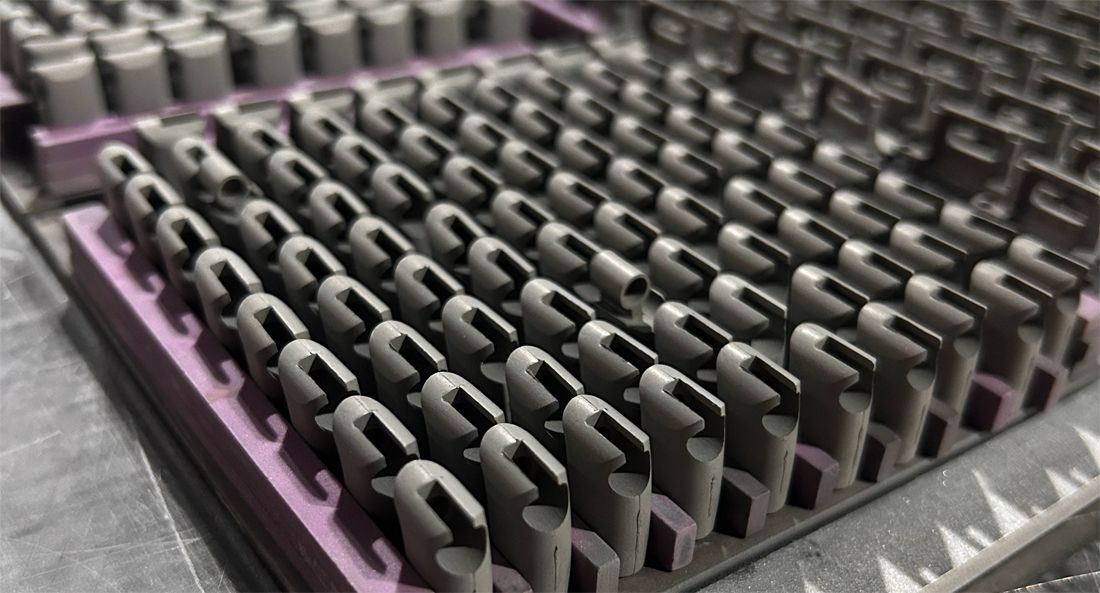
Metal Injection Molding, or MIM, is a high precision manufacturing method ideal for small metal components with tight tolerances and complex geometries. If you need thousands or millions of metal parts under 200 grams with excellent cosmetic finish, MIM offers unmatched efficiency compared to CNC machining or die casting.
Snapfab leverages MIM for consumer electronics, medical devices, industrial hardware, and any application requiring compact, high performance metal components.
Why Choose MIM?
Supports highly intricate geometries
Best suited for small components under 200 grams
Scales efficiently once tooling is established
Provides excellent cosmetic finish and tight tolerances
How the process works
- Blend metal powder with binder into a controlled feedstock.
- Inject the feedstock into a tool to form the green part.
- Remove binder to create a fragile brown part.
- Sinter with planned shrinkage, then inspect and finish as specified.
Engineering specs
- High precision suitable for tight tolerances
- Mechanical properties comparable to wrought metals
- Best for sizes under 200 grams
- Broad finishing and cosmetic capabilities
Define density, finish, and critical dimensions up front.
MIM FAQs
What are the benefits?
Supports deep complexity and fine features
Superior surface quality
High material efficiency
Scales efficiently for high volume programs
What features can be molded directly?
Threads
Internal channels
High detail contours
Thin walls
How long does tooling take?
Tooling and initial process setup typically require a few weeks.
Why MIM compared to die casting?
MIM is ideal for small, intricate components
MIM offers tighter tolerances
Die casting is better for larger and less detailed parts
Which metals can be used for MIM?
Common options include 316L and 17-4PH stainless steel, low-alloy steels, and tool steels. Snapfab helps assess the alloy against strength, corrosion resistance, wear, and service conditions.
Can MIM parts be machined or finished after molding?
Yes. After sintering, parts can receive secondary machining, polishing, or other finishing processes as required. Share critical dimensions and cosmetic expectations early so Snapfab can plan the appropriate operations.
Ready to Build High Precision Metal Components?
Snapfab delivers MIM components with the geometry, performance, and consistency required for demanding small format products. Talk with our team to determine whether MIM is the ideal process for your next metal part.
Reaction injection molding (RIM)
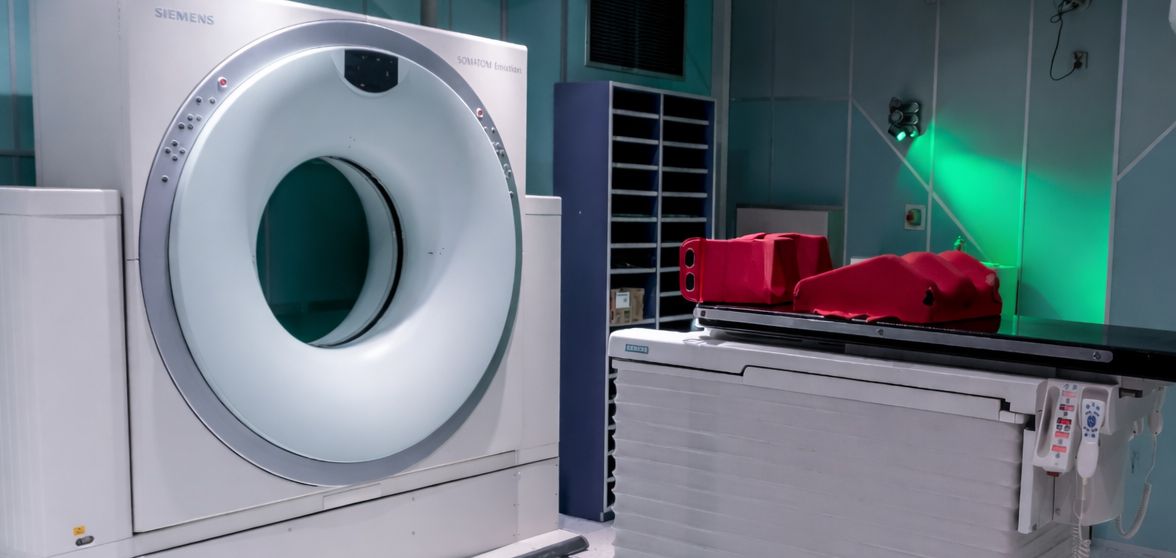
Reaction Injection Molding, or RIM, is a specialized process designed to create large, lightweight polyurethane parts with smooth cosmetic surfaces and excellent dimensional stability. Unlike traditional injection molding, RIM uses low pressure and chemical curing instead of melting plastic pellets. This makes RIM ideal for large enclosures, medical equipment housings, structural covers, and other parts that must be light, strong, and free from sink marks.
RIM chemically cures thermoset parts in the mold rather than cooling thermoplastic melt. It can suit large, lightweight panels and housings; review cure, finish, and tooling together.
How the process works
- Meter the reactive components to the specified ratio.
- Mix and inject the liquid system into the closed mold at low pressure.
- Allow the chemistry to react and cure to the required demold condition.
- Demold, trim, and apply paint or finish if the design requires it.
Engineering specs
- Surface finish comparable to injection molded parts
- Zero risk of sink marks
- Supports very large part sizes
- Tolerances appropriate for housings, covers, and assemblies
- Aluminum tooling helps manage cost and development time
No universal maximum size or timing is implied.
RIM FAQs
What are the benefits?
Cycle times similar to injection molding
No sink marks, even with thick walls
Lightweight parts suitable for shipping and portability
Durable thermoset structure
Supports very large part formats
Tooling cost is lower than steel molds
Any downsides?
Raw material cost can be higher than standard thermoplastics
What features are possible?
Complex thick wall geometries
Smooth cosmetic surfaces
Large integrated shapes
What is the typical timeline?
Tooling generally takes about 30 days once the design is finalized.
Why use RIM instead of injection molding?
Better for very large parts
Ideal for lightweight foamed structures
Lower tooling cost for large scale components
How do I choose the right RIM material?
Share your requirements for stiffness, impact resistance, weight, temperature, and chemical exposure. Snapfab helps assess polyurethane systems for your application, including any flame-rating requirements that need grade-specific verification.
Ready to Mold Large or Complex Parts?
Snapfab offers RIM solutions that deliver large format, lightweight, high quality polyurethane components with excellent surface finish and stability. Reach out to explore whether RIM is the right approach for your next enclosure or equipment housing.